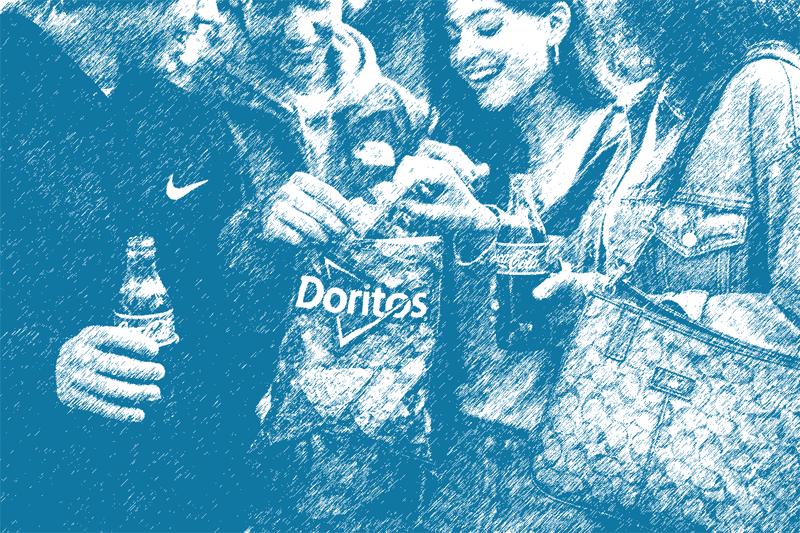
The growth of the internet, which powers social media influencers and direct-to-consumer brands, may give the impression that newer brands have a brighter future than older, more established ones. This can leave companies asking whether they should respond by launching new brands, acquire them, or even reducing support for brands that are considered “old”. Do brands have an expiry date?
Across many sectors and product categories, it’s easy to find brands that are not only very old but still thriving — and delivering much (or most) of their company’s revenue, even when attention and focus drift toward newer brands.
I did some quick desk research on the age of well-known brands that remain popular across consumers, including Gen-Z. Here’s a small sample:
| Brand | Category | Launch Year | Brand Age (by 2026) |
|---|---|---|---|
| Coca-Cola | Beverages | 1888 | 138 |
| Chanel No. 5 | Fragrance | 1921 | 105 |
| Haribo (Bears) | Confectionery | 1922 | 104 |
| Snickers | Confectionery | 1930 | 96 |
| Bosch | Home Appliances | 1933 | 93 |
| Coach | Leather Goods | 1941 | 85 |
| IKEA | Home Furnishings | 1943 | 83 |
| LEGO | Toys | 1949 | 77 |
| Häagen-Dazs | Ice Cream | 1960 | 66 |
| Doritos | Salty Snacks | 1964 | 62 |
| The North Face | Apparel | 1966 | 60 |
| Sephora | Retail Chain | 1969 | 57 |
| Nike | Apparel | 1971 | 55 |
| Zara | Retail Chain | 1975 | 51 |
| Ben & Jerry’s | Ice Cream | 1978 | 48 |
These brands remain popular across shoppers of many ages and generations, despite the arrivals of newer competitors. Their endurance isn’t a mystery: it comes from consistent corporate commitment and support. These cover strategies to evolve products, services, and delivery in line with consumer preferences and operational advances. For example, IKEA started as a mail-order business for small goods which has since morphed into a global online-and-offline retailer selling everything you need for your home. LEGO also recently introduced Smart Bricks that would continue to appeal to builders across ages and generations.
When companies manage older brands, the question shouldn’t be whether they should be shelved because they’re old. The better question is what physical availability and mental availability support is needed to ensure continued survival and growth. These are the two pillars of growth, as formulated within the Ehrenberg-Bass Institute. By all means, refresh products and services in line with consumer preferences, protect hero products and ranges, and discontinue those that no longer resonate — but preserve the brand. Building corporate brand portfolios based on TikTok trends and influencer buzz can be a slippery slope into wasting valuable marketing investment.
Brands don’t expire. They get abandoned. Old brands don’t lose relevance because they’re old. They lose relevance when they stop being easy to buy and easy to think of.