
Being in London is always a great opportunity to visit the many wonderful bookstores in town. Despite the ease and convenience of online purchases, there is currently nothing that could beat the crisp smell of new books and being surrounded by likeminded bookworms. I was back in London last month for a work trip. On one particular occasion, I had no particular shopping list or books to hunt. In a recent fruitful conversation, The Shortest History of Germany by James Hayes was recommended to me — so I thought I’d buy the book if I could find it. I also wanted to see if the store had Bernard Schlink’s latest book The Granddaughter.
Walking around in similar silence and quiet reverence as other book shoppers in Foyles at Charing Cross Road, it struck me that bookstores provide a great examples of the interplay between mental availability and physical availability.
It’s not how many options, but how you make it easy to choose
To find The Shortest History of Germany, I had to rely on my imperfect memory. Unfortunately, I didn’t jot down the book title nor the author’s name when it was suggested to me. I looked at the General History section and the European History sections — but I didn’t know what to look for, as I didn’t know the author’s name and could only vaguely remember the book title. I asked a staff and provided a vague query along the lines of, “I’m after a book – something about a short history of Germany?”. After several guesses on the title, she managed to direct me to the section and the bookshelf.
To find The Granddaughter, I knew I should head to the Fiction section and then move my way across the bookshelves and locate the author’s surname accordingly. They didn’t have any copy of the book, when I checked.

I wanted to find other books worth buying – then the challenge hit me. I didn’t have an author in mind and I was open to buying any genres. Being surrounded by so many then became overwhelming. So, is this the choice paralysis, then? Well, yes, because I had no clear categorisation in my mind, no specific criteria to latch on to. Knowing that book titles are organised by section and sorted by the authors’ surname is not enough.
It’s easy for buyers when they have a clear product in mind – but what if you only have a vague idea of what you are after. Say, if you enter a perfume shop with the aim of ‘I want to buy something for Mother’s Day’. This vague shopping mission could quite easily be overwhelming, when presented with the vast number of options – without cognitive guidance and categorisation. All the brand names, bottles, and colours would be too confusing to navigate. However, once you receive the guidance from the store staff — or after you recognise certain brand names, then the task would be less daunting. Your brain would prune off all irrelevant or unsuitable options to make the challenge much more manageable.
This is why categorisation and cognitive guidance is important for shoppers. Our brain is amazing – it can deal with a large number of options, if it can quickly dismiss the irrelevant ones and focus on the few that will ‘satisfice’. For experienced buyers (i.e., heavy category buyers or heavy brand buyers), they could just quickly hone in to the option they want – but for new or light buyers, they will need be guided to arrive at the desired product.
When the spotlight is on you, you’re more noticeable
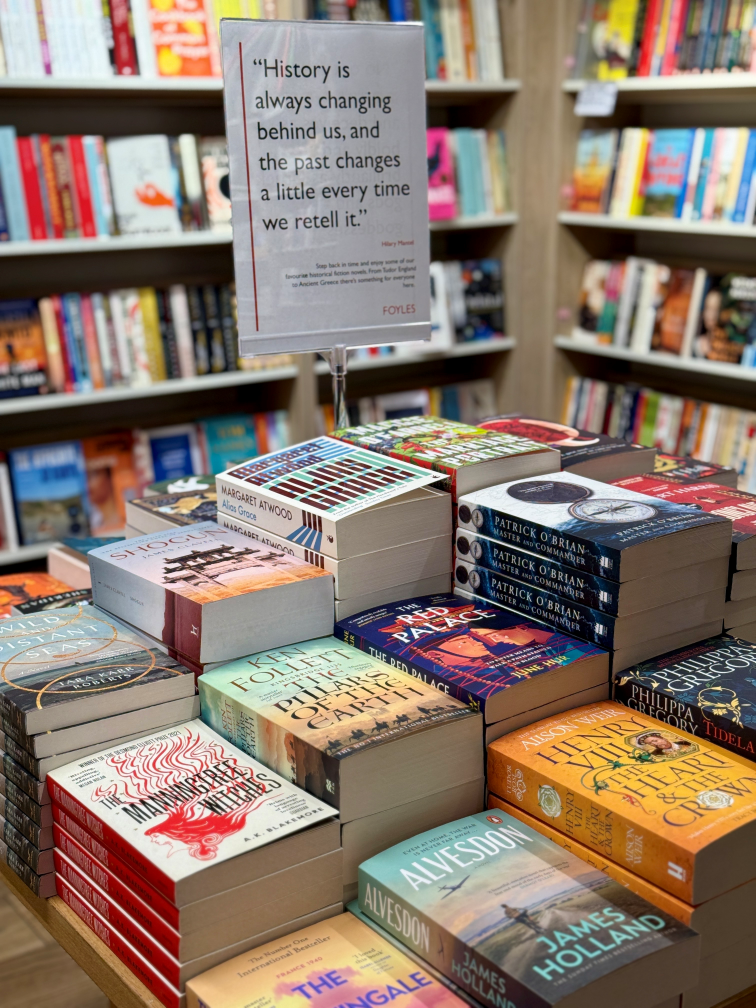
In my quest to find good books to buy, I started to flick through the names of authors or book titles on my mental Rolodex. I gave up after a while – and being a cognitive miser like every shopper, I then focused my attention on visible book covers when I stand in front of the shelves — and those featured on the tables.
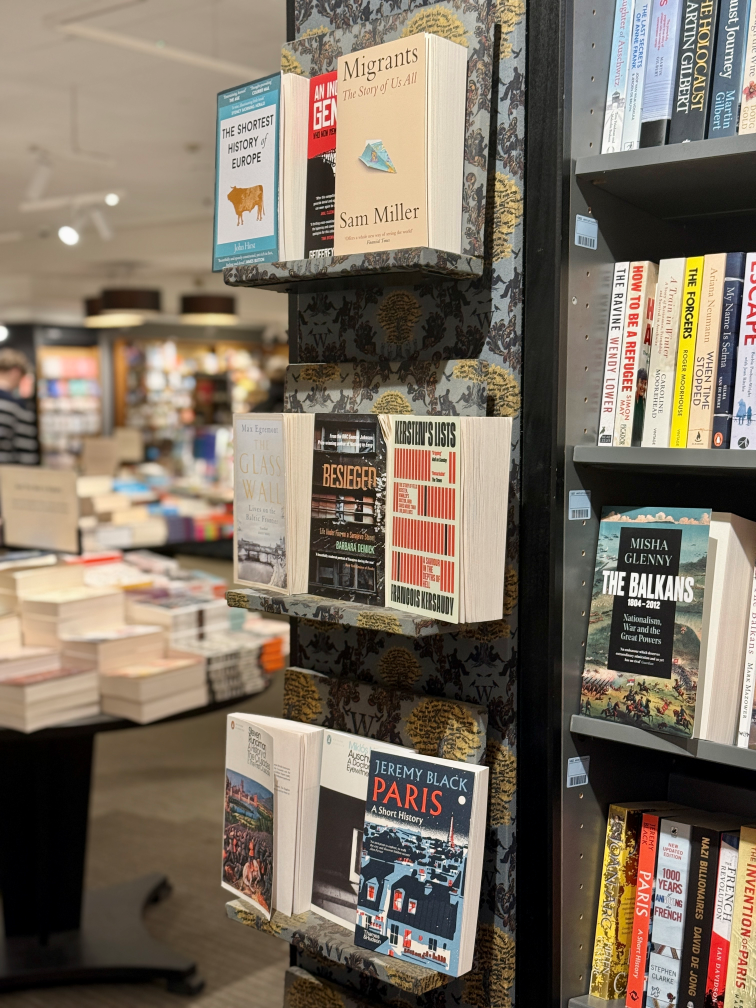
This tactic reduced my options considerably, so I could see whether I could spot something interesting. There are also books that were released in recent years, that are now available in paperback format. This was how I ended up buying Andy Miller’s The Year of Reading Dangerously because of the intriguing title.
In parallel, this is why endcaps and secondary placements in supermarkets are helpful. They serve as an advertising platform for those in the vicinity – to purchase the category or the brands on display if they are open to them. Essentially they also serve as a cognitive aid by the supermarket – a sponsored and curated selection of brands. Similar to past hardcover books being released as paperbacks, product launches do not need to be new formulation, flavours, or scents – a new format which addresses existing purchase barriers could be as effective.
For the small, it’s crippling when you’re unknown
Whilst browsing through the General Fiction section, I recognise many names. There was often a sticker or a little note if an author had been awarded a Pulitzer or Booker Prize in the past. Consider the many other books that may be brilliant, written by unknown authors – and many of these authors only write one-offs, compared to the familiar names like Ian McEwan, Melvyn Bragg, or Zadie Smith.
If you are not time-poor or a genuine bookworm, you could spend hours carefully browsing the titles one after the other. The majority of us probably allocate a certain time to complete a mission and complete the transaction. So, again, consider a fledgling author with a single book under their name – tucked away on the second shelf from the bottom. These books probably have a small chance to be picked up – unless a book critic somewhere happens to stumble upon the book, Oprah includes it in her Book Club suggestion, or if copies of the book are put on a table as a bookstore promotion.
The situation is not easier online. If you go to sites like Amazon, you are presented with a list of new releases when you select a book genre. So, for an upcoming author, this is their only chance to be known – before other books are released to claim its spot on the list. When the book is out of the list, the chance of it being selected is minuscule – especially if it is shown on page 25 to the potential buyers. The probability relies on those coming on the website with existing knowledge of the author’s name or the title of the book in the search term.
This is why mental availability is crucial for growth for brands. The mere presence of the product or the brand in stores or online is not enough. The lack of mental availability contributes to light buyers congregating around big brands – due to the non-existent or limited knowledge about the category and the brands. A brand name or a logo they recognise from advertising would help tremendously. This is the link to the importance of Distinctive Brand Assets. If it’s a small brand, it’s likely to languish on shelf – unknown and unrecognised – and picked up by heavy category buyers with a big repertoire of products.

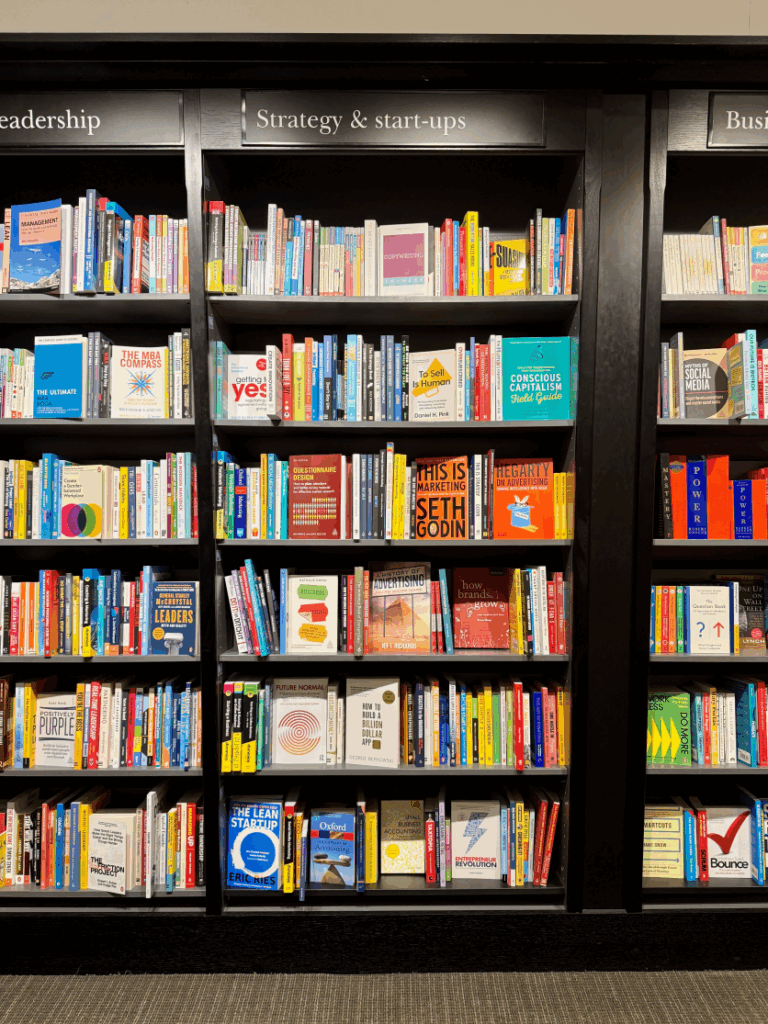
The visits to Foyles and Waterstones last month gave me a reminder that Marketing is truly essential for brand survival and growth. Brands truly need to carefully manage both physical availability and mental availability – as part of the Ehrenberg-Bass Institute‘s Laws of Growth framework. Like the many great (and not so great) books in a bookstore, it’s not enough to produce excellent products – or simply distribute them without further mental availability supports. Companies cannot merely rely on product superiority, without continuously and constantly informing and reminding category buyers — just like how great books and great authors would simply remain unknown if millions of readers don’t know anything about them.