
It seems that department stores are facing extinction. What looks like a retail apocalypse is actually something more mundane and more uncomfortable: a failure to understand how growth really works.
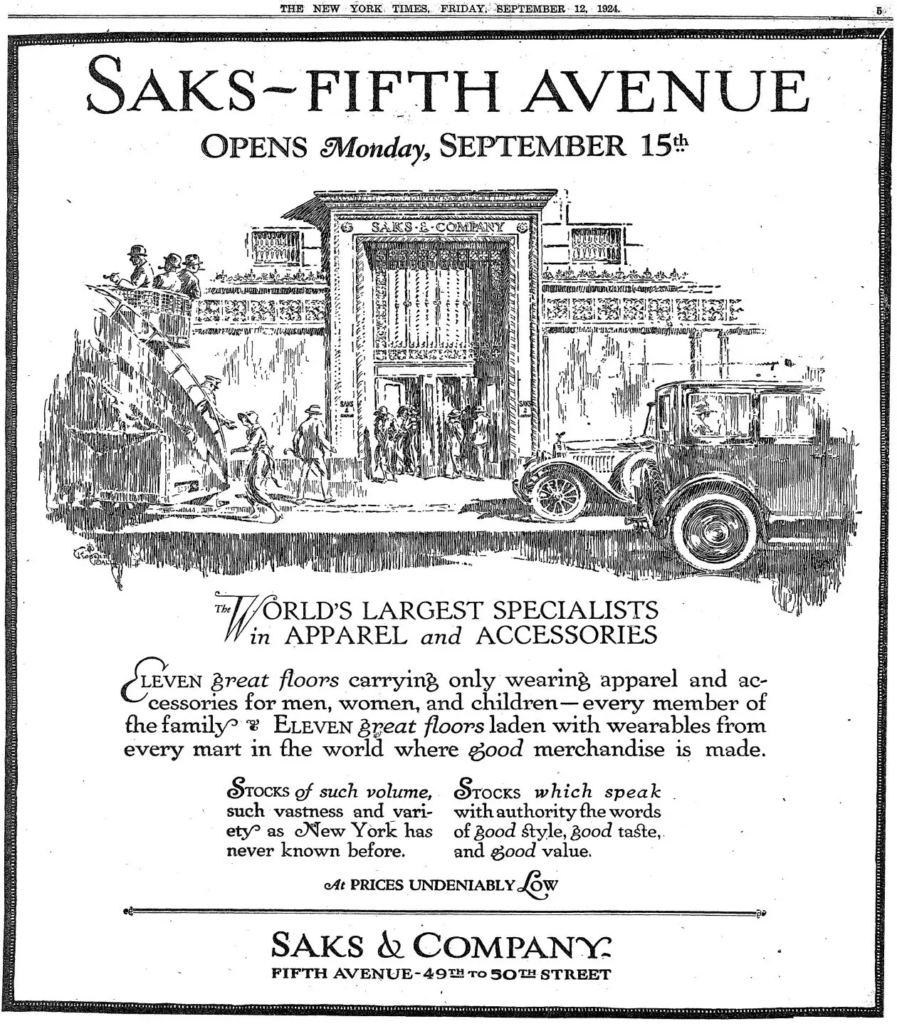
Late last month, Saks Global – the world’s largest luxury multi-brand retailer in the United States had entered Chapter 11 bankruptcy. This massive retailer was formed in late 2024 to combine Saks Fifth Avenue, Neiman Marcus, and Bergdorf Goodman. In Canada, Hudson Bay, the oldest retailer in North America, closed their doors in 2025 following bankrupty and declining sales. In the UK, Debenhams buckled after COVID. It’s not that dire in Australia, but both Myer and David Jones, Australia’s main department store chains have also started to close down underperforming stores.
Other retail chains like H&M and Zara are also suffering globally – closing down stores to save improve business performance. The convenient one to blame is the rise of online marketplaces such as Shein and Temu – cheap and cheerful products with the convenience of online shopping with quick-fire promotions.
It may be true that the death of department stores can be attributed to the aggressive growth of Shein and Temu. More shoppers are purchasing online as well, as their substitute for department stores. However, I would also argue that department stores and retail chains are complicit in their own death.
In a post last year I wrote about clothing brands that seemed to be obsessed in making me spend more – by promoting jackets, chinos, polos, even when I simply do not need any more. The focus on Reward Dollars, birthday bonus, and membership programme is to keep the buyers loyal to the brand: Marketing 101 of the ancient times.
Now, let me ask you … how many loyalty programmes and mailing lists that you belong to across department stores and retail chains?
Retail chains’ continuing obsession with nurturing loyalty is ultimately contributing to their demise. This is especially true when they don’t even advertise across the majority of buyers and focusing on growing their buyer base. Every dollar spent personalising offers to existing buyers is a dollar not directed towards reaching many more people who never walk through the door. At the end of the day, penetration matters critically – for brands and also for retailers.
In 2022, I co-authored a journal paper that looked at an upmarket department store chain in East Asia. We looked at over 553 millions of transactions over three years of their loyalty program holders. Even through this restricted set of shoppers (there were a lot more shoppers who didn’t belong to the loyalty program — or paid cash), we see the evidence of the Laws of Growth here. For example, the Law of Double Jeopardy: The biggest departments have more shoppers, who purchase more frequently. We also see that departments share shoppers in line with their size (i.e., popularity), just as we expected – in line with the Duplication of Purchase Law.
Growing and maintaining foot traffic is vital for department store survival – much more than focusing on loyalty or experiential things that are only experienced by the select view. In the era where cinemas may be losing their lustre, department stores need to find the stores that would attract foot traffic. In our study, their supermarket is the key drawcard for this retail chain with 76% penetration across all shoppers, and contributing 32% of their total revenue.
Focusing on personalised offers, experiential shopping, and other topical things to build loyalty among current shoppers may seem more attractive for marketers. If only we realised that some of these could be as lethal as draining blood from a sickly patient.
Many marketing professionals are now familiar with the importance of reach and penetration for brand growth – as informed by the Ehrenberg-Bass Institute. However, even with this claim, many still revert to the same ancient practice of nurturing loyalty as the focus – rather than understanding that loyalty is the byproduct of brand size.
Department stores don’t need better loyalty programmes. They need more people walking in.