

If you come and visit me at my office, you will see an array of figurines on my desk. Next to Tintin and Captain Haddock figurines stand Le Petit Prince and the fox, along with other things I collected during my trips. On a table at the corner of the office sat a big jar filled with LEGO pieces. Before LEGO became a tool for executive team-building workshops, I had always found the pieces a nice way to reset my mind whenever the 3pm slump hit.
Toys are no longer for children. The recent Circana’s 2026 Global Toy Report shows that the 15+ age segment is growing the fastest compared to younger age group – by 111% since 2020. This can be seen from the Labubu craze last year and the popularity of LEGO across adult buyers. There are a couple of contributing factors: along with lower birth rate, older buyers also have more money to spend – despite the cost of living crisis. Boomers, Gen-X and Gen-Y consumers now have the opportunity to catch up to missed opportunities when they were younger.
LEGO’s growth is a masterclass in combining mental availability with physical availability.
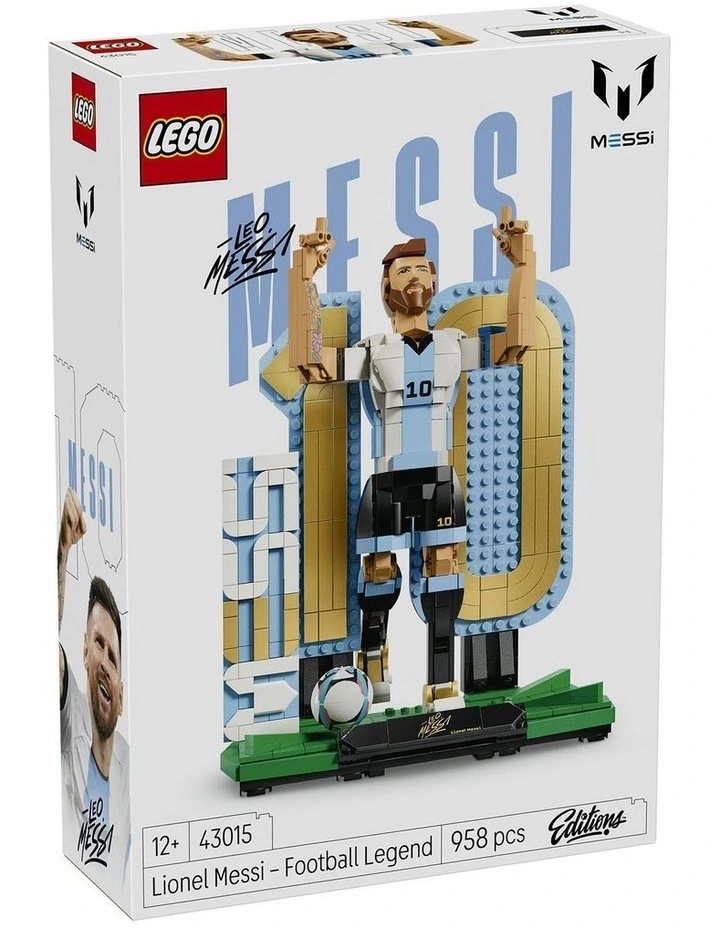
LEGO has built broad mental availability through decades of consistent marketing and broad physical availability by making their products easy to find across toy stores, department stores, bookshops, and online. Its iconic brick shape remains instantly recognisable, even as competitors such as Petit Block and nanoblock offer similar construction toys. But perhaps LEGO’s biggest achievement is not simply expanding its product range, but creating more reasons for more people to buy the brand. Instead of asking who LEGO is for, the company has broadened the occasions and interests that bring people into the franchise. Simply put, LEGO has expanded the number of Category Entry Points it can satisfy: from “Something for my son’s birthday” to “Something relaxing as a hobby”, “Something to decorate my living room”, or even “Something to collect as a movie fan”. Some buyers may enjoy building a simple house or a racing car, while others might spend hours assembling the Death Star, Ghostbusters ECTO-1, a Tyrannosaurus rex skeleton, or a LEGO Botanical arrangement for the living room. Different interests, different levels of complexity, yet all building the same brand. Rather than remaining a children’s toy, LEGO has become a creative hobby that appeals across generations. Even soccer (erm – football) fans can now display a LEGO Lionel Messi as part of the 2026 FIFA World Cup range.
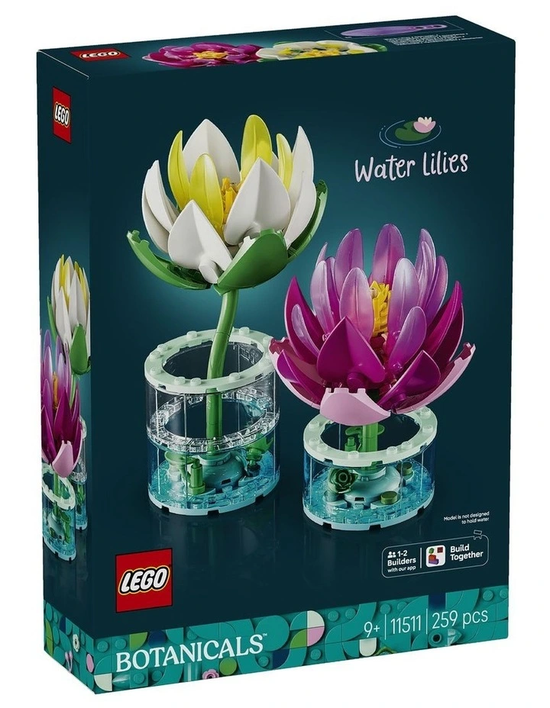
This strategy is explicit in LEGO’s 2024 Annual Report. CEO Niels B. Christiansen writes that LEGO aims to “grow with fans of all ages and interests” and notes that while children remain the company’s key focus, products such as the Botanical Collection have attracted increasing number of builders. In the same year, LEGO’s Chief Product and Marketing Officer, Julia Goldin also mentions that LEGO decided to focus on adults because there was a much bigger opportunity that they could tap into.
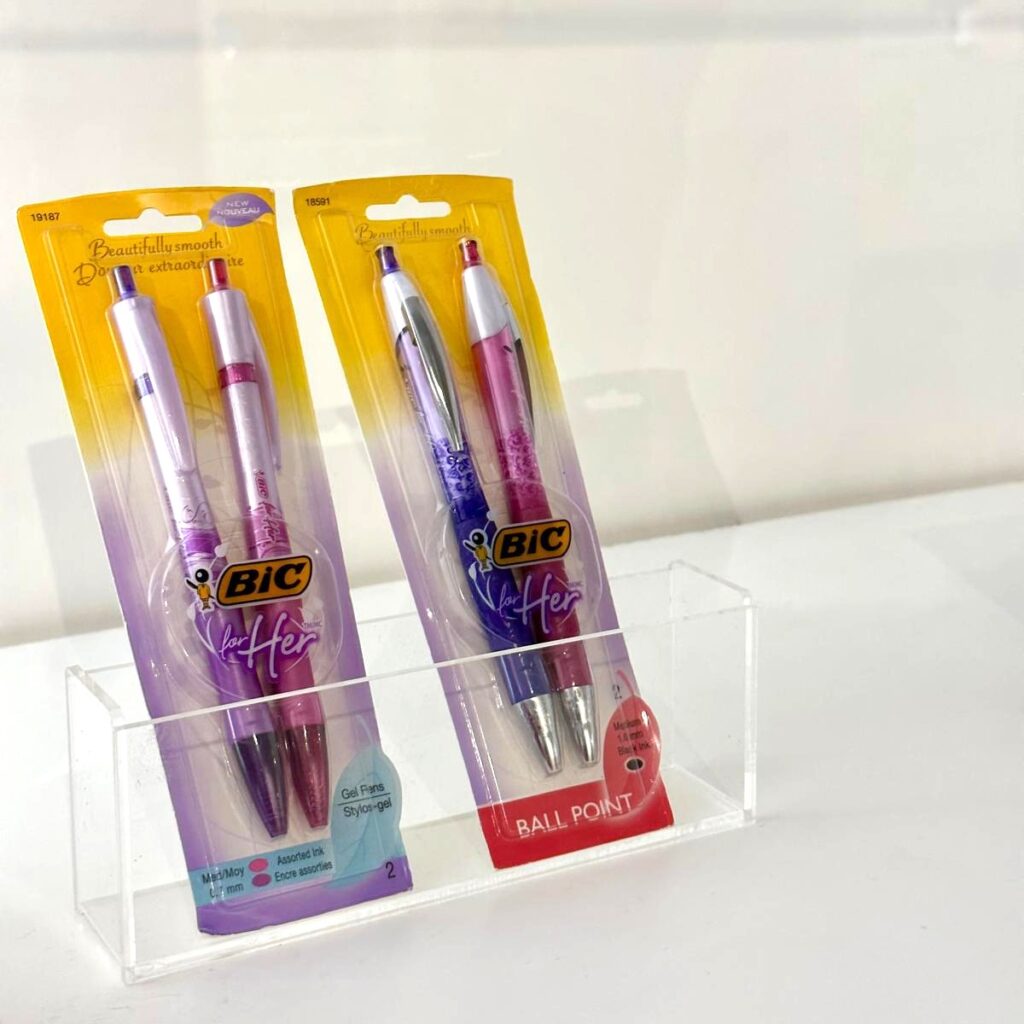
This is what the Ehrenberg-Bass Institute advocates. When brands manage their mental availability and physical availability well, and not putting any arbitrary criteria on who should or should not buy their product, they are well-positioned to grow sustainably. I still see these limitations everyday, with brands only limiting their distribution in limited outlets (not because they are not able to expand their availability, but because they choose to – to create exclusivity and scarcity) or products that are so narrowly targeted that they unnecessarily limit their own market, like Bic for Her in 2011 (“especially designed to fit comfortably in a woman’s hand”). LEGO creates all sorts of lineup and series that are only with a suggested age limitation, due to potential hazard for younger users. It doesn’t matter if you’re a burly builder and prefer to put some LEGO Botanicals or if you are an academic researcher and have a stack of random LEGO pieces in the office.
PS: I may or may not have ordered both the Peanuts: Snoopy’s Doghouse LEGO set and the Disney Pixar Luxo Jr. during Amazon Prime Day this year. Nostalgia won.
The big question is: how to manage mental availability well. Managing well means prioritization, not necessarily „Full Steam Ahead“. Key is to understand which CEPs should be prioritized to have a strong and healthy Mental Availability.